### Understanding Sudoku: A Guide for Puzzle Enthusiasts
Sudoku, a popular logic-based puzzle, has gained worldwide acclaim for its ability to challenge and entertain puzzle enthusiasts of all ages. In this article, we delve into the world of Sudoku, providing a comprehensive guide for those looking to solve these intriguing puzzles.
#### What is Sudoku?
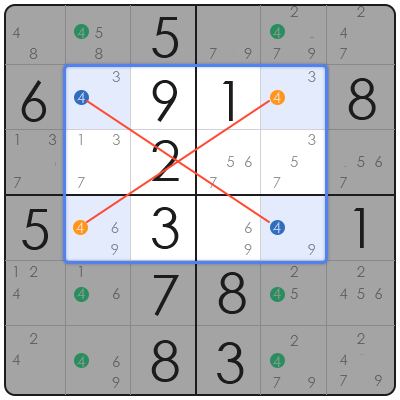
Sudoku is a number placement puzzle that is played on a grid of 9×9 squares. The objective is to fill the grid with digits so that each column, each row, and each of the nine 3×3 subgrids that compose the grid (also called “boxes”, “blocks”, or “regions”) contain all of the digits from 1 to 9. The puzzle setter provides a partially completed grid, which for a well-posed puzzle has a single solution.
#### Key Elements of Sudoku
– **Grid**: The grid consists of 9 rows and 9 columns, forming a 9×9 square.
– **Box**: Each of the 9×9 grid is divided into 9 smaller squares, each containing 3×3 cells.
– **Regions**: The grid is divided into 9 regions, each containing 9 cells.
– **Digits**: The digits range from 1 to 9.
#### How to Solve Sudoku
1. **Start with Easy Puzzles**: Begin with simple puzzles to understand the rules and techniques.
2. **Look for Rows and Columns**: Focus on rows and columns to identify missing digits.
3. **Use Box and Region Logic**: Analyze the boxes and regions to find patterns.
4. **Apply Candidate Numbers**: Write down possible numbers in each cell to narrow down choices.
5. **Eliminate Possibilities**: Eliminate numbers from candidates based on logic.
6. **Backtrack if Necessary**: If you’re stuck, backtrack and reevaluate your steps.
#### Frequently Asked Questions (FAQ)
**Q1: What is the best way to start solving a Sudoku puzzle?**
A1: Start by looking for rows and columns that contain missing digits. These are often easier to solve than the more complex boxes and regions.
**Q2: Can you use a calculator or scratch paper while solving Sudoku?**
A2: Yes, using a calculator or scratch paper is encouraged, especially for beginners. It helps in keeping track of candidate numbers and potential solutions.
**Q3: Is there a single correct way to solve Sudoku?**
A3: There is no single correct way, as long as the puzzle has a unique solution. Different strategies and techniques can lead to the same solution.
**Q4: Are Sudoku puzzles suitable for all ages?**
A4: Absolutely. Sudoku puzzles cater to a wide range of ages and skill levels, making them accessible to everyone from children to adults.
**Q5: How can I improve my Sudoku-solving skills?**
A5: Practice regularly and explore different strategies. You can also try solving more challenging puzzles and join online communities to learn from others.
Sudoku is a versatile and engaging puzzle that can be enjoyed by puzzle enthusiasts of all backgrounds. By understanding its key elements and following effective solving techniques, you can master the art of Sudoku and enjoy hours of brain-teasing fun.
