## How to Create Your Own Sudoku Puzzles
### Understanding Sudoku
Sudoku is a popular logic-based number-placement puzzle that has gained immense popularity worldwide. Creating your own Sudoku puzzles can be a fun and challenging endeavor. Here’s a step-by-step guide to help you get started.
#### Step 1: Choose the Sudoku Grid Size
The first step in creating your own Sudoku puzzle is to decide on the grid size. The most common Sudoku sizes are 4×4, 9×9, and 16×16. For simplicity, let’s focus on the 9×9 grid, which is the most widely recognized format.
#### Step 2: Fill the Grid with Starting Numbers
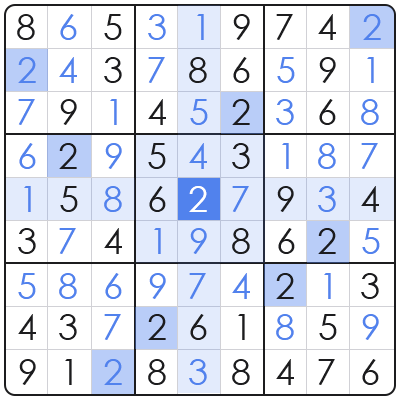
Start by filling in a few numbers in your 9×9 grid. These numbers should be placed randomly, but ensure that they do not violate the Sudoku rules. Each row, column, and 3×3 subgrid must contain all the digits from 1 to 9 without repetition.
#### Step 3: Create a Clue List
Make a list of clues for your Sudoku puzzle. These clues will be the numbers that the solver will start with. The number of clues can vary, but a good starting point is to have about 17 to 22 clues for a 9×9 Sudoku.
#### Step 4: Solve the Puzzle
Use the clues you’ve created to solve the Sudoku puzzle. This step is crucial as it will help you identify any mistakes or inconsistencies in your puzzle design.
#### Step 5: Check for Consistency
After solving the puzzle, go back and check if the solution is unique. A valid Sudoku puzzle should have only one solution. If you find multiple solutions, you may need to adjust the starting numbers or clues.
#### Step 6: Finalize the Puzzle
Once you have a unique solution, you can finalize your Sudoku puzzle. Remove some of the clues to create the puzzle for the solver. The number of clues removed should be enough to make the puzzle challenging but solvable.
### Tips for Creating Effective Sudoku Puzzles
– **Start with a Simple Puzzle:** If you are new to creating Sudoku puzzles, start with a smaller grid or a simpler puzzle. This will help you understand the rules and techniques better.
– **Challenge Yourself:** As you become more comfortable, try creating more complex puzzles with larger grids or more challenging starting numbers.
– **Test Your Puzzles:** Always solve your puzzles to ensure they have a unique solution and are enjoyable to solve.
### Frequently Asked Questions (FAQ)
**Q: Can I create Sudoku puzzles with more than one solution?**
A: No, a valid Sudoku puzzle should have only one unique solution. If your puzzle has more than one solution, you may need to adjust the starting numbers or clues.
**Q: How do I know if my Sudoku puzzle is balanced?**
A: A balanced Sudoku puzzle should have an equal number of clues in each row, column, and 3×3 subgrid. This ensures that the solver must use logic to find the solution rather than guessing.
**Q: Can I create Sudoku puzzles with different themes or themes?**
A: Absolutely! You can create Sudoku puzzles with themes such as holidays, famous landmarks, or even your own custom themes. Just ensure that the rules of Sudoku are followed, and the puzzle remains solvable.
**Q: How can I share my Sudoku puzzles?**
A: You can share your Sudoku puzzles online through various platforms like puzzle websites, social media, or by printing them out and distributing them to friends and family.
Creating your own Sudoku puzzles can be a rewarding experience. With practice and patience, you can create puzzles that are both challenging and enjoyable for Sudoku enthusiasts around the world. Happy designing!
