### Mastering Difficult Sudoku: A Comprehensive Guide
#### Understanding the Basics
Sudoku is a popular puzzle game that requires logic and reasoning skills to fill a 9×9 grid with numbers. While many find the basic versions of Sudoku enjoyable, mastering difficult Sudoku puzzles can be quite a challenge. Here’s a guide to help you conquer the most challenging Sudoku grids.
#### 1. Learn the Rules
Before diving into difficult Sudoku puzzles, it’s essential to understand the rules. A standard Sudoku grid has nine rows, nine columns, and nine 3×3 subgrids, or “boxes.” The objective is to fill each row, column, and box with the digits 1 to 9, ensuring that each number appears exactly once in each row, column, and box.
#### 2. Practice Regularly
Like any skill, mastering Sudoku requires practice. Start with easier puzzles and gradually progress to more challenging ones. As you improve, you’ll find that solving difficult Sudoku puzzles becomes second nature.
#### 3. Develop Your Strategies
There are several strategies you can use to solve difficult Sudoku puzzles:
– **Single Candidate**: Look for a cell with only one possible number. Place that number in the cell.
– **Single Elimination**: Identify a cell with two possible numbers and eliminate one from the list of candidates in the same row, column, or box.
– **Hidden Pair/Singles**: Look for two cells in the same row, column, or box that have only two possible numbers. If those numbers are not already in the same box, they must be placed there.
– **X-Wing**: Look for two rows or columns that have two cells each with only two possible numbers. If these numbers are the same, they must be placed in the intersecting cells of the remaining rows or columns.
– **Swordfish**: Similar to the X-Wing, but involves three rows or columns and four cells in each row or column with the same two numbers.
#### 4. Use Pencil Marks Wisely
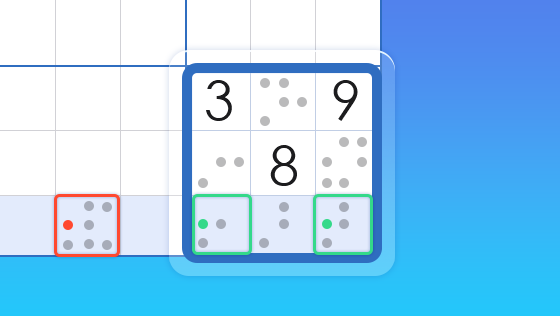
Pencil marks are a valuable tool in solving Sudoku puzzles. They help you keep track of the possible numbers for each cell. As you solve, cross off numbers that are no longer possibilities, making it easier to spot patterns and solve the puzzle.
#### 5. Don’t Rush
Take your time and don’t rush. Rushing can lead to mistakes. A calm and patient approach will help you solve difficult Sudoku puzzles more effectively.
#### Frequently Asked Questions (FAQ)
**Q: How do I identify a single candidate?**
A: A single candidate is a cell that has only one possible number. This can be easily identified by checking the available numbers in the same row, column, and box.
**Q: What is a hidden pair/singles strategy?**
A: A hidden pair/singles strategy involves finding two cells in the same row, column, or box that have only two possible numbers. If those numbers are not already in the same box, they must be placed there.
**Q: Can I use a computer program to solve difficult Sudoku puzzles?**
A: While you can use computer programs to solve Sudoku puzzles, the true challenge and satisfaction come from solving them yourself. Using a computer may prevent you from developing your problem-solving skills.
**Q: Is there a difference between difficult and expert Sudoku puzzles?**
A: Yes, there is a difference. Difficult Sudoku puzzles typically have more complex strategies and require a deeper understanding of the game. Expert Sudoku puzzles often involve advanced techniques and are considered the most challenging.
#### Conclusion
Mastering difficult Sudoku puzzles requires practice, patience, and the ability to apply various strategies effectively. By understanding the rules, developing your skills, and using pencil marks wisely, you’ll be well on your way to conquering even the most challenging Sudoku grids. Happy solving!
