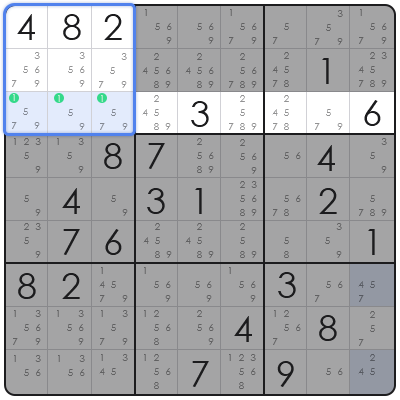
How to Solve Hard Sudoku When Stuck: Strategies and Tips
Sudoku, the popular logic-based puzzle game, can be both entertaining and challenging. Whether you’re a beginner or a seasoned solver, encountering a hard Sudoku can be frustrating. When you find yourself stuck, here are some effective strategies and tips to help you solve the puzzle and overcome any obstacles.
Understand the Basics
Before diving into advanced techniques, it’s crucial to have a solid understanding of the basic rules of Sudoku. A standard Sudoku grid consists of nine 3×3 subgrids called "boxes" or "blocks." The objective is to fill the grid so that each row, column, and box contains all of the digits from 1 to 9 without repetition.
Step-by-Step Strategies
-
Start with Easy Puzzles: If you’re new to Sudoku, begin with easier puzzles to build your confidence and understanding of the game mechanics.
-
Look for Single Candidates: When solving a hard Sudoku, start by looking for single candidates. These are the cells where only one number can fit based on the existing numbers in the row, column, and box.
-
Use the Process of Elimination: Eliminate numbers from cells that cannot possibly be correct based on the rules of Sudoku. This can often lead to finding a single candidate.
-
Look for Pairs, Triples, and Quads: Sometimes, you’ll find cells that can only contain two, three, or four numbers. Use this information to narrow down possibilities and potentially find a single candidate.
-
Employ X-Wing and Swordfish Techniques: These are advanced strategies that involve identifying patterns in the grid. X-Wing is when two rows or columns have two numbers that are only in those two rows or columns, while Swordfish is a similar concept but across multiple rows and columns.
-
Analyze the Grid for Hidden Subsets: Look for groups of numbers that can only appear in certain rows, columns, or boxes. This can help you determine where certain numbers must go.
Advanced Tips
-
Backtracking: If you’re unable to make progress with logical deduction, you may need to use backtracking. This involves guessing a number, filling in the cell, and moving forward. If you reach a point where you can’t place a number without repeating, backtrack and try a different number.
-
Use a Pencil and Eraser: Keep track of potential numbers in cells with pencil marks. This can help you avoid making mistakes and make it easier to spot patterns.
-
Practice Regularly: The more you practice, the better you’ll become at recognizing patterns and solving puzzles more efficiently.
Conclusion
Solving a hard Sudoku puzzle can be a rewarding challenge. By understanding the basics, using logical deduction, and employing advanced techniques like X-Wing and Swordfish, you can overcome obstacles and find the solution. Remember to practice regularly and keep an open mind to new strategies. With persistence and patience, you’ll be a Sudoku master in no time!
