Mastering Sudoku: The Ultimate Guide to Puzzles and Their Play
Sudoku, a popular puzzle game, has captivated millions of puzzle enthusiasts worldwide. With its simple yet challenging gameplay, Sudoku offers a unique experience that combines logic, strategy, and mental acuity. Whether you’re a beginner or looking to sharpen your skills, this guide will provide you with a comprehensive overview of Sudoku, including its rules, strategies, and how to play it effectively.
What is Sudoku?
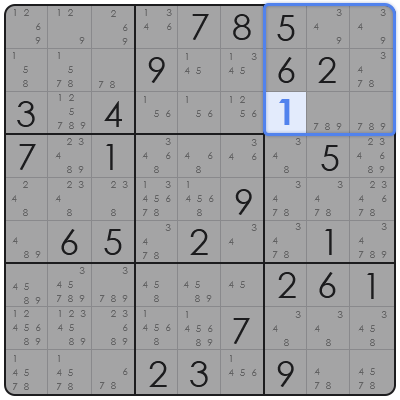
Sudoku is a logic-based number-placement puzzle that was first developed in Japan in 1979. The name "Sudoku" is a combination of the Japanese words "su," meaning "number," and "doku," meaning "single." The objective of the game is to fill a 9×9 grid with digits so that each column, each row, and each of the nine 3×3 subgrids that compose the grid (also called "boxes," "blocks," or "regions") contain all of the digits from 1 to 9. The puzzle setter provides a partially completed grid, which for a well-posed puzzle has a single solution.
How to Play Sudoku:
-
Understand the Grid:
A standard Sudoku grid has 9 rows and 9 columns, forming a 9×9 grid. The grid is further divided into nine 3×3 subgrids. -
Start with the Easy Puzzles:
If you’re new to Sudoku, start with easier puzzles to get a hang of the game. The numbers 1 to 9 are usually provided in some cells, which will guide you in filling the rest of the grid. -
Fill the Rows and Columns:
Focus on filling the rows and columns with the numbers 1 to 9. Once you’ve placed a number in a row or column, ensure that the same number doesn’t appear in any other row or column in that same region. -
Utilize the Subgrids:
Remember that each of the nine 3×3 subgrids must also contain the digits 1 to 9 without repetition. -
Use Deductive Reasoning:
Sudoku requires logical deduction. When you encounter a cell with no numbers, eliminate the possibilities by looking at the numbers in the same row, column, and subgrid. The remaining possible number is the one you can place in that cell. -
Avoid Guesswork:
Try to solve the puzzle without guessing. If you reach a point where you cannot logically deduce the next number, go back and revisit your previous steps to find any mistakes or missed opportunities.
Strategies to Solve Sudoku:
- Single Candidate: When a number can only go in one cell within a row, column, or subgrid, place it there.
- Pairs, Triples, and Quads: Look for cells where two, three, or four numbers can fit, and use this to narrow down the possibilities in other cells.
- X-Wing and Swordfish: More advanced strategies that involve identifying patterns in multiple rows or columns.
- Subgrid Scan: Check each 3×3 subgrid for any numbers that can only go in one place, based on the numbers in the rest of the grid.
Sudoku is not just a fun way to pass the time; it also stimulates your brain and enhances problem-solving skills. With practice and dedication, you can become an expert in Sudoku. Remember to take your time, think logically, and use the strategies mentioned above to solve the puzzles with ease. Happy Sudoku-solving!
