### Hexa Sudoku Solver: A Comprehensive Guide
#### Understanding Hexa Sudoku
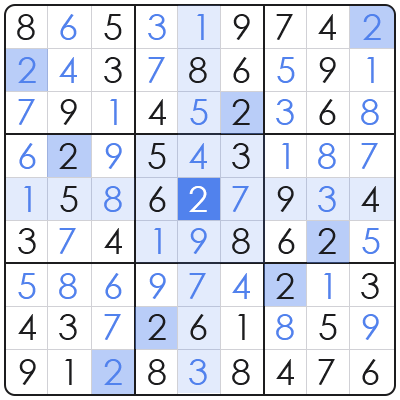
Hexa Sudoku is a unique variant of the classic Sudoku puzzle. Unlike the standard 9×9 grid, Hexa Sudoku uses a hexagonal grid with six rows and six columns, forming a 36-cell pattern. The objective remains the same: to fill the grid with numbers from 1 to 6 such that each row, column, and hexagon contains all the numbers exactly once.
#### How to Solve Hexa Sudoku
1. **Start with the Basics**: Begin by filling in any obvious numbers that are already determined by the given clues.
2. **Look for Patterns**: Identify any patterns or sequences that can help you deduce the placement of numbers in the hexagonal cells.
3. **Use the Hexagonal Structure**: Since Hexa Sudoku is based on hexagons, look for numbers that are common to three or more hexagons to narrow down possible placements.
4. **Cross-Hatching**: Similar to standard Sudoku, use the process of cross-hatching to eliminate possibilities in rows and columns based on numbers already placed in hexagons.
5. **Trial and Error**: If you’re stuck, try placing numbers in cells where only one possibility remains, and backtrack if necessary.
#### Features of Hexa Sudoku Solver
– **User-Friendly Interface**: The solver provides an intuitive interface for entering your puzzle and viewing the solution.
– **Step-by-Step Guidance**: The solver can guide you through the solving process, highlighting potential moves and explaining the reasoning behind each step.
– **Customizable Difficulty Levels**: Adjust the difficulty of the puzzles to suit your skill level, from easy to expert.
#### Common Challenges in Hexa Sudoku
– **Complex Patterns**: The hexagonal structure can lead to more complex patterns and sequences, making the puzzle more challenging.
– **Limited Clues**: Some Hexa Sudoku puzzles may have fewer clues than standard Sudoku, requiring more deduction.
#### Frequently Asked Questions (FAQ)
**Q1: What is the difference between Hexa Sudoku and standard Sudoku?**
A1: Hexa Sudoku uses a hexagonal grid instead of the traditional square grid, with a 36-cell pattern instead of 81. This introduces unique challenges and patterns that are not present in standard Sudoku.
**Q2: Can I use a standard Sudoku solver for Hexa Sudoku?**
A2: No, standard Sudoku solvers are not designed for the hexagonal structure of Hexa Sudoku. You will need a solver specifically designed for this variant.
**Q3: How do I enter a Hexa Sudoku puzzle into the solver?**
A3: Most solvers will have a grid where you can enter the numbers. Simply place the numbers in the corresponding hexagonal cells according to the puzzle’s clues.
**Q4: Can the solver provide hints?**
A4: Yes, many solvers offer hint functions that can guide you through the solving process, highlighting potential moves and explaining the reasoning behind each step.
**Q5: Are there different difficulty levels in Hexa Sudoku?**
A5: Yes, you can usually select different difficulty levels when starting a new puzzle, ranging from easy to expert, to suit your skill and preference.
**Q6: Can I use the solver to generate new puzzles?**
A6: Some solvers may have a feature to generate new Hexa Sudoku puzzles for you to solve, offering a variety of challenges.
**Q7: Is Hexa Sudoku suitable for beginners?**
A7: Yes, Hexa Sudoku can be suitable for beginners. Start with easier puzzles and gradually increase the difficulty as you become more comfortable with the game’s structure and strategies.
By understanding the unique aspects of Hexa Sudoku and utilizing a solver effectively, you can enhance your puzzle-solving skills and enjoy the challenges this variant offers.
