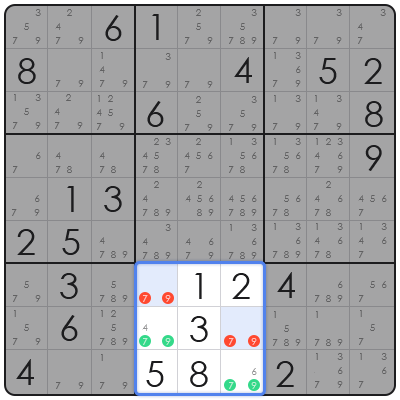
### Larger Sudoku Puzzles: A Comprehensive Guide
#### Understanding Larger Sudoku Puzzles
Larger Sudoku puzzles have gained popularity among Sudoku enthusiasts due to their complexity and challenge. These puzzles are variations of the traditional 9×9 Sudoku game, but they incorporate a larger grid size, typically ranging from 16×16 to 25×25. The objective remains the same: to fill the grid with numbers so that each row, column, and 3×3 subgrid contains all the digits from 1 to 9 (or higher, depending on the puzzle size).
#### What Makes Larger Sudoku Puzzles Unique?
1. **Increased Grid Size**: Larger Sudoku puzzles use a grid that is significantly larger than the traditional 9×9 grid. This increase in size adds to the complexity of the puzzle, as it requires more logical reasoning and patience to solve.
2. **Higher Difficulty**: The larger grid and additional rows, columns, and subgrids make larger Sudoku puzzles more challenging to solve. This is especially true for beginners, who may find it difficult to navigate the vast space and keep track of potential numbers.
3. **Variety of Styles**: Larger Sudoku puzzles come in various styles, including classic, jigsaw, diagonal, and more. Each style offers a unique twist on the traditional game, adding excitement and variety to the solving experience.
#### How to Solve Larger Sudoku Puzzles
1. **Start with Basic Techniques**: Begin by filling in any numbers that are already determined. This may involve using basic Sudoku solving techniques, such as naked pairs, hidden pairs, and X-Wing.
2. **Analyze Patterns**: Look for patterns and sequences within the grid. This may help you identify potential numbers for empty spaces, even when you can’t apply a specific technique.
3. **Cross-Reference Subgrids**: Keep an eye on the subgrids within the larger puzzle. This will help you ensure that each subgrid contains all the required digits, even as you progress.
4. **Use Guesswork Wisely**: In some cases, you may need to make educated guesses. When doing so, be sure to mark your work clearly and backtrack if needed.
#### Frequently Asked Questions (FAQ)
**Q: How do larger Sudoku puzzles compare to the traditional 9×9 version?**
A: Larger Sudoku puzzles offer a greater challenge due to their increased grid size, additional rows, columns, and subgrids. This results in a more complex and time-consuming solving experience.
**Q: Are larger Sudoku puzzles suitable for beginners?**
A: Larger Sudoku puzzles can be difficult for beginners, as the increased complexity may overwhelm new players. However, they can be a great way for experienced Sudoku enthusiasts to sharpen their skills and enjoy a more challenging experience.
**Q: Can I use the same solving techniques for larger Sudoku puzzles as I would for the traditional 9×9 game?**
A: Yes, many of the basic solving techniques used in the traditional 9×9 Sudoku game can be applied to larger puzzles. However, some additional techniques may be necessary to handle the increased complexity.
**Q: What are some of the different styles of larger Sudoku puzzles?**
A: Some popular styles of larger Sudoku puzzles include classic, jigsaw, diagonal, and Latin square. Each style offers a unique challenge and a different approach to solving the puzzle.
**Q: How can I improve my skills at solving larger Sudoku puzzles?**
A: To improve your skills, practice regularly and challenge yourself with increasingly difficult puzzles. You can also try to learn new solving techniques and analyze your progress to identify areas for improvement.
