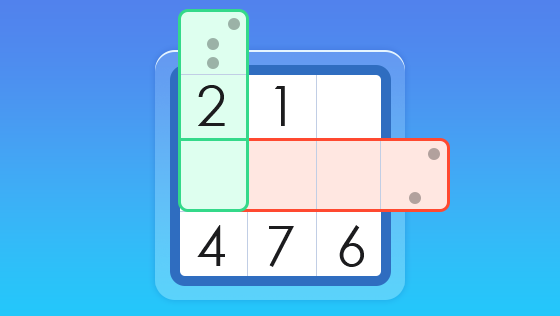
### Sudoku Autonomy: A Deep Dive into the World of Independent Puzzling
#### Sudoku Autonomy: Understanding the Concept
Sudoku autonomy refers to the practice of solving Sudoku puzzles independently, without the use of any external aids or hints. This approach to Sudoku solving emphasizes the development of critical thinking, logical reasoning, and problem-solving skills. In this article, we will explore the concept of Sudoku autonomy, its benefits, and how it can enhance your Sudoku-solving experience.
#### Benefits of Sudoku Autonomy
1. **Enhanced Cognitive Skills**: Solving Sudoku puzzles autonomously can improve your concentration, memory, and analytical skills.
2. **Personal Satisfaction**: Achieving a solution without assistance can provide a sense of accomplishment and personal growth.
3. **Strategic Thinking**: Developing strategies for solving Sudoku puzzles independently encourages strategic thinking and problem-solving techniques.
4. **Skill Mastery**: Regularly solving Sudoku puzzles autonomously can lead to mastery of the game and improved performance over time.
#### How to Practice Sudoku Autonomy
1. **Start with Simple Puzzles**: Begin with easier Sudoku puzzles to build confidence and gradually progress to more challenging levels.
2. **Focus on Logic**: Use logical reasoning to deduce possible numbers in each cell, rather than relying on guesswork.
3. **Keep Track of Possibilities**: Maintain a list of possible numbers for each cell to avoid making mistakes.
4. **Take Breaks**: If you get stuck, take a break and come back to the puzzle with a fresh perspective.
#### Common Challenges in Sudoku Autonomy
1. **Complex Puzzles**: Advanced Sudoku puzzles can be challenging, requiring advanced techniques and a deep understanding of the game.
2. **Time Constraints**: Some players may find it difficult to solve puzzles within a specific time frame, especially when they are new to Sudoku autonomy.
3. **Anxiety**: The pressure to solve puzzles independently can sometimes lead to anxiety or frustration.
#### FAQ
**Q1: What is Sudoku autonomy?**
A1: Sudoku autonomy is the practice of solving Sudoku puzzles independently, without using any external aids or hints.
**Q2: How can Sudoku autonomy improve my cognitive skills?**
A2: Sudoku autonomy can enhance cognitive skills such as concentration, memory, and analytical reasoning.
**Q3: What are some strategies for practicing Sudoku autonomy?**
A3: Strategies include starting with simple puzzles, focusing on logic, keeping track of possibilities, and taking breaks when needed.
**Q4: Can Sudoku autonomy be beneficial for people of all ages?**
A4: Yes, Sudoku autonomy can be beneficial for individuals of all ages, as it promotes cognitive development and problem-solving skills.
**Q5: How can I overcome challenges in Sudoku autonomy?**
A5: Overcoming challenges involves gradually increasing puzzle difficulty, practicing regularly, and seeking out resources or communities for support and guidance.
#### Conclusion
Sudoku autonomy is a rewarding way to challenge yourself and improve your problem-solving abilities. By practicing independently and embracing the process, you can enhance your cognitive skills and enjoy the satisfaction of solving Sudoku puzzles on your own terms.
