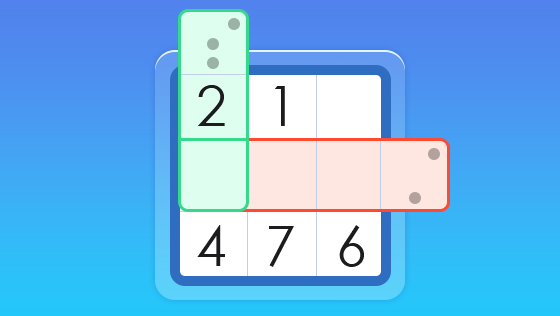
### Sudoku: A Challenging and Fun 2nd Grade Math Activity
Sudoku is a popular puzzle game that can be both entertaining and educational, especially for second graders. It’s a great way to enhance their math skills while having fun. In this article, we will explore what Sudoku is, its benefits for second graders, and how to get started.
#### What is Sudoku?
Sudoku is a logic-based, combinatorial number-placement puzzle. The objective is to fill a 9×9 grid with digits so that each column, each row, and each of the nine 3×3 subgrids that compose the grid (also called “boxes”, “blocks”, or “regions”) contain all of the digits from 1 to 9. The puzzle setter provides a partially completed grid, which for a well-posed puzzle has a single solution.
#### Benefits of Sudoku for Second Graders
1. **Improves Math Skills**: Sudoku helps develop critical thinking and logical reasoning skills. Second graders learn to analyze patterns and sequences, which are fundamental math concepts.
2. **Enhances Concentration**: Solving Sudoku puzzles requires focus and concentration. This can help children improve their ability to concentrate on tasks in other areas of their lives.
3. **Promotes Patience**: Many Sudoku puzzles require persistence and patience to solve. Second graders learn the value of not giving up and the importance of taking their time.
4. **Teaches Problem-Solving**: Sudoku challenges children to solve problems by trial and error. This can help develop their problem-solving skills and resilience.
#### How to Start
1. **Choose a Sudoku Puzzle**: Look for a Sudoku puzzle that is appropriate for second graders. There are many puzzles available in magazines, online, or even in books specifically designed for young learners.
2. **Learn the Rules**: Make sure the child understands the rules of Sudoku, including how to place numbers in the grid without repeating them in any row, column, or 3×3 subgrid.
3. **Begin with Easier Puzzles**: Start with easier puzzles to build confidence and gradually progress to more challenging ones.
4. **Use Strategies**: Introduce basic Sudoku-solving strategies such as checking for duplicate numbers, using trial and elimination, and looking for patterns.
#### Frequently Asked Questions (FAQ)
**Q: What age is appropriate for starting Sudoku?**
A: Sudoku can be suitable for children as young as second grade, as long as the puzzles are age-appropriate and not too challenging.
**Q: Are there any educational resources available for Sudoku for second graders?**
A: Yes, there are numerous books, websites, and apps designed specifically for young learners, offering Sudoku puzzles and educational materials.
**Q: Can Sudoku be played in a group?**
A: Absolutely! Playing Sudoku with friends or family can be a fun and interactive experience. It can also encourage teamwork and strategy development.
**Q: How long should a child spend on a Sudoku puzzle?**
A: There is no fixed time limit for solving a Sudoku puzzle. It’s more important for children to enjoy the process and not feel rushed or stressed.
**Q: Is there a way to check if a Sudoku solution is correct?**
A: Many online Sudoku tools offer an option to check the correctness of a solution. This can be a useful tool for second graders to validate their work and learn from any mistakes.
