### Shanghai Sudoku: A Comprehensive Guide
#### Introduction to Shanghai Sudoku
Shanghai Sudoku, also known as Su Doku or Sudoku, is a popular puzzle game that combines logic, strategy, and number placement. Originating in Japan, it has gained immense popularity worldwide, including in Shanghai, China. This article delves into the basics of Shanghai Sudoku, its variations, and tips for solving it effectively.
#### The Rules of Shanghai Sudoku
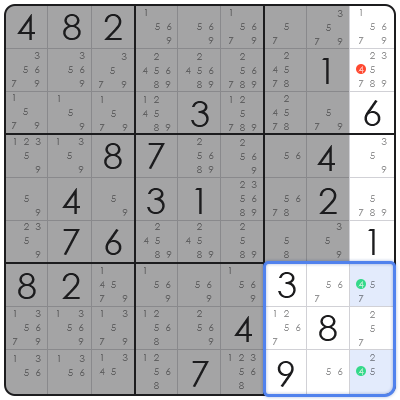
1. **Grid Layout**: Shanghai Sudoku is played on a 9×9 grid, divided into nine 3×3 subgrids called “boxes” or “regions.”
2. **Number Placement**: The objective is to fill the grid with numbers from 1 to 9 so that each row, column, and box contains all the digits exactly once.
3. **Clues Provided**: Unlike traditional Sudoku, Shanghai Sudoku often includes a set of given numbers, which are placed within the grid.
4. **Additional Rules**: In some variations, a single number may be repeated within a row, column, or box, or there may be a pair of numbers that are not part of the traditional 1-9 range.
#### Variations of Shanghai Sudoku
1. **Standard Sudoku**: The most common form, requiring only the placement of numbers 1-9.
2. **Diagonal Sudoku**: Adds an additional constraint that the numbers must also form diagonals across the grid.
3. **Jigsaw Sudoku**: Uses different shapes to divide the grid into regions, rather than the standard 3×3 boxes.
4. **Killer Sudoku**: Combines Sudoku with additional arithmetic clues, often requiring the sum of certain groups of cells to equal a specific number.
#### Tips for Solving Shanghai Sudoku
1. **Start with Easy Clues**: Begin by filling in any numbers that are already provided in the grid.
2. **Look for Patterns**: Pay attention to rows, columns, and boxes that have the most numbers already filled in. This can help identify potential patterns.
3. **Eliminate Possibilities**: Cross out numbers that cannot possibly go in a particular cell based on the rules of Sudoku.
4. **Use Logic and Deduction**: Employ logical reasoning to deduce the correct number for each cell.
5. **Progress Gradually**: Work on one cell at a time, and do not rush through the puzzle.
#### Frequently Asked Questions (FAQ)
**Q: What is the difference between Shanghai Sudoku and regular Sudoku?**
A: Shanghai Sudoku includes additional clues within the grid, making it more challenging than traditional Sudoku.
**Q: Can I use a calculator to solve Shanghai Sudoku?**
A: While you can use a calculator to perform calculations, the key to solving Sudoku lies in logical reasoning and pattern recognition, so it’s recommended to use your brain!
**Q: Are there any online resources where I can practice Shanghai Sudoku?**
A: Yes, there are numerous websites and mobile apps available where you can practice and challenge yourself with different levels of Shanghai Sudoku puzzles.
**Q: Is Shanghai Sudoku suitable for all ages?**
A: Yes, Shanghai Sudoku is suitable for players of all ages. It can be a fun and engaging activity for both children and adults.
**Q: Can I create my own Shanghai Sudoku puzzles?**
A: Absolutely! There are online generators that allow you to create your own puzzles with different levels of difficulty.
**Q: Are there any strategies for solving particularly difficult Shanghai Sudoku puzzles?**
A: Yes, advanced strategies such as X-Wing, Swordfish, and XY-Wing can be employed to solve more challenging puzzles. These strategies involve identifying patterns that are not immediately obvious.
By understanding the rules, variations, and strategies, you can enhance your Sudoku-solving skills and enjoy the mental challenge that Shanghai Sudoku offers. Happy solving!
