## Sudoku: A Comprehensive Guide on Baeldung
### Introduction to Sudoku
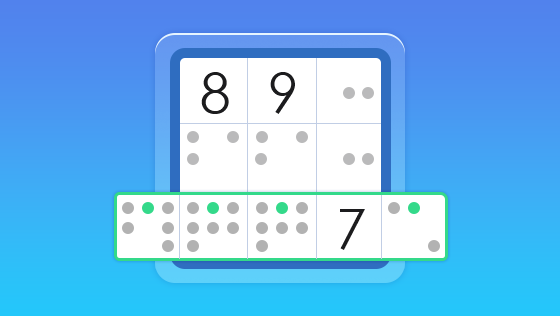
Sudoku is a popular puzzle game that combines logic, strategy, and numbers. It’s a grid-based game that requires players to fill in the numbers from 1 to 9 in such a way that each row, column, and 3×3 subgrid contains all the digits exactly once. This article will provide an in-depth look at Sudoku, its rules, strategies, and the importance of Baeldung in solving Sudoku puzzles.
### Rules of Sudoku
1. **Grid Structure**: A standard Sudoku puzzle consists of a 9×9 grid, divided into 9 rows and 9 columns.
2. **Subgrids**: The grid is further divided into 9 smaller 3×3 subgrids, often referred to as “boxes” or “blocks.”
3. **Number Placement**: The objective is to fill the grid with digits so that each column, each row, and each of the nine 3×3 subgrids contain all of the digits from 1 to 9. The grid will have some of the squares filled in with numbers, and the player must use logic and deduction to fill in the empty squares.
4. **No Repeats**: Each number can only appear once in each row, column, and 3×3 subgrid.
### Strategies for Solving Sudoku
1. **Pencil Marking**: Start by marking potential numbers in each empty cell based on the numbers already present in the same row, column, and subgrid.
2. **Single Candidate**: Look for cells with only one possible number. Place that number in the cell.
3. **Single Elimination**: If a number can be eliminated from a row, column, or subgrid based on the numbers already placed, do so.
4. **X-Wing and Swordfish**: Advanced strategies that involve identifying patterns in the grid to determine the placement of numbers.
### The Role of Baeldung in Sudoku
Baeldung is a platform that offers a variety of resources for programming and software development. While it may not seem directly related to Sudoku, the problem-solving skills honed through programming can be applied to Sudoku puzzles. Here are a few ways Baeldung can aid in Sudoku solving:
1. **Algorithmic Thinking**: Programming requires logical thinking, which is essential for solving Sudoku puzzles.
2. **Pattern Recognition**: Identifying patterns in code can help in recognizing patterns in Sudoku grids.
3. **Resource Optimization**: Just as algorithms optimize resource usage in programming, Sudoku strategies optimize the process of filling in the grid.
### Frequently Asked Questions (FAQ)
**Q: What is the minimum age to start playing Sudoku?**
A: There is no specific age limit to start playing Sudoku. It can be enjoyed by people of all ages.
**Q: Can I use a calculator or computer to solve Sudoku?**
A: While you can use a calculator or computer to help solve Sudoku puzzles, the challenge and satisfaction of solving it manually are often greater.
**Q: Are there different types of Sudoku puzzles?**
A: Yes, there are various types of Sudoku puzzles, including standard Sudoku, jigsaw Sudoku, diagonal Sudoku, and more.
**Q: Can Sudoku improve cognitive skills?**
A: Yes, Sudoku can improve cognitive skills such as concentration, memory, and logical reasoning.
**Q: How can I improve my Sudoku solving skills?**
A: Practice regularly, learn new strategies, and challenge yourself with increasingly difficult puzzles.
**Q: What is the most difficult Sudoku puzzle?**
A: The difficulty of a Sudoku puzzle can vary greatly. Some puzzles are designed to be extremely challenging and may require advanced strategies to solve.
By understanding the rules, strategies, and the role of Baeldung in Sudoku, you can enhance your puzzle-solving skills and enjoy the mental workout that Sudoku provides. Happy solving!
